
How the FDA Keeps Your Medicines and Medical Devices Safe
If you’ve ever taken a prescription pill, used an insulin pump, or worn a glucose monitor, you’re relying on the FDA’s inspection system to make sure it’s safe and works as intended. The FDA doesn’t just approve products - it checks the places where they’re made. Every year, inspectors visit about 13,000 facilities across the U.S. and around the world. These aren’t random visits. They’re targeted, detailed, and designed to catch problems before they reach patients.
It’s not about catching people doing something wrong. It’s about making sure systems are in place so mistakes don’t happen in the first place. That’s why the FDA focuses on processes - how things are documented, trained, controlled, and verified. A single error in labeling, a missed validation step, or a broken temperature log can lead to recalls, delays, or worse - harm to patients.
The Four Types of FDA Inspections
Not all inspections are the same. The FDA uses four distinct types, each with its own trigger and purpose.
- Pre-approval inspections happen before a new drug or device gets the green light. If a company submits a PMA or NDA, the FDA will send inspectors to the manufacturing site within 30 days of saying the facility is ready. This isn’t a formality - it’s a full audit of whether the process can consistently produce a safe, effective product.
- Routine surveillance inspections are scheduled based on risk. High-risk facilities - like those making cancer drugs or implantable devices - get visited every 6 to 12 months. Low-risk ones, like some dietary supplement makers, might go 3 to 5 years without one. The FDA uses a risk model with 12 factors: past violations, product type, recall history, and even how new or complex the manufacturing method is.
- Compliance follow-up inspections are return visits. If a facility got a Form 483 with observations, the FDA comes back to see if fixes were made. Missing deadlines or giving vague responses can lead to warning letters or import alerts.
- For-cause inspections happen without warning. These are triggered by real red flags: a spike in adverse events, whistleblower tips, or failed lab results. One company in New Jersey got an unannounced visit after a patient died from a contaminated IV bag. The inspection found unsterile conditions and missing cleaning logs - and the product was pulled from shelves within days.
What Happens During an Inspection
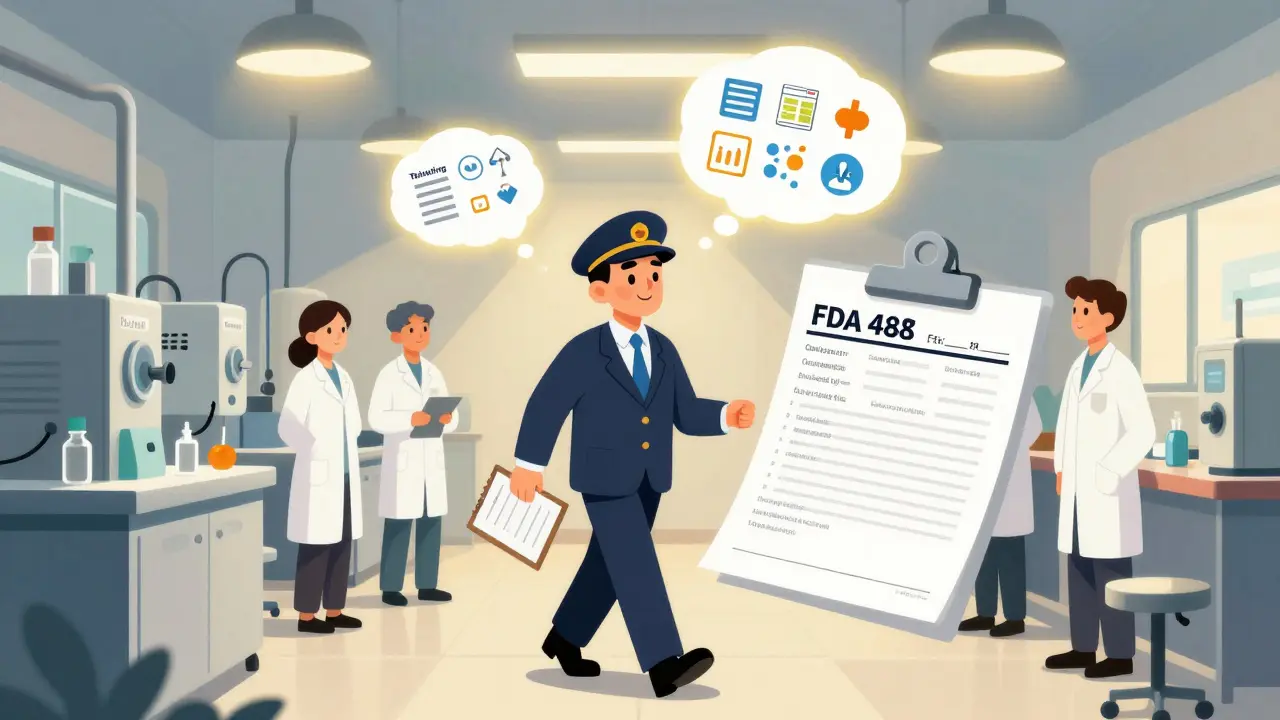
When the FDA inspector walks in, they’ll hand you FDA Form 482 - the official notice of inspection. You can’t refuse it. You can’t delay it. And you can’t send someone who doesn’t know the process to greet them.
The inspection lasts 3 to 10 days, depending on the size and complexity of the facility. Here’s what they look at:
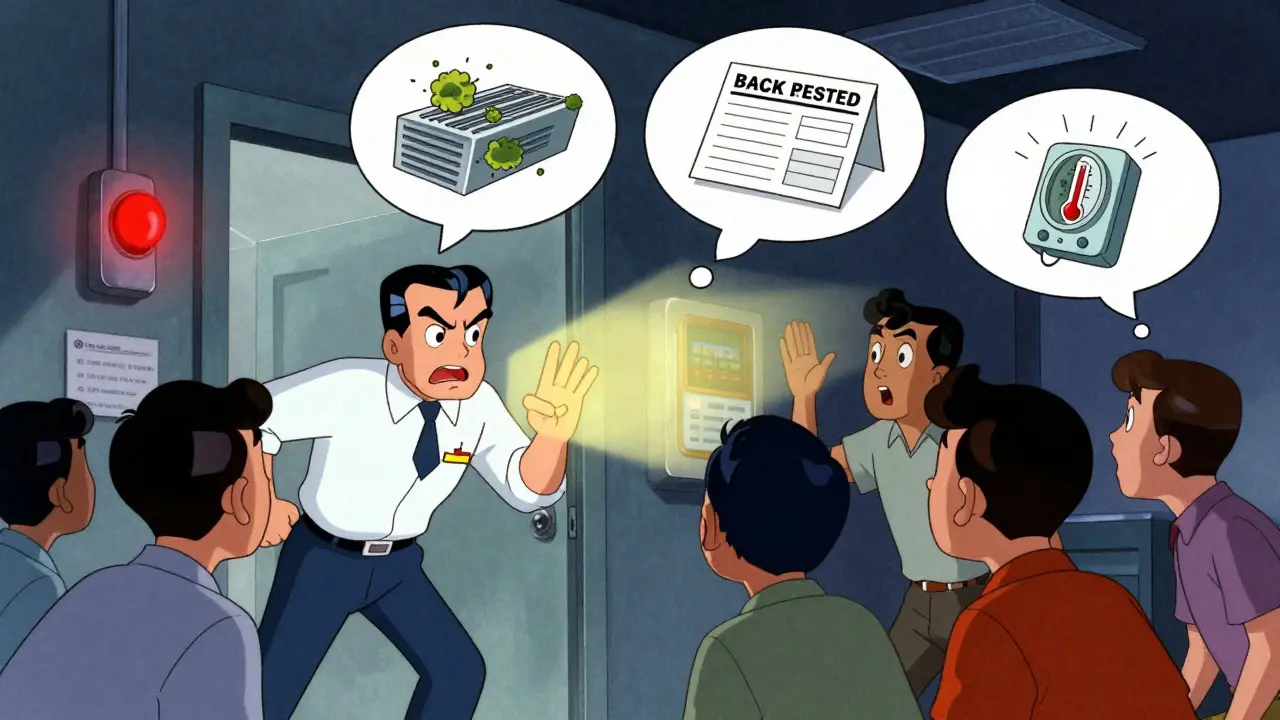
- Facility tour: They walk through every area - from raw material storage to packaging. Dirty floors, cluttered workspaces, or unmarked equipment raise eyebrows. It’s not about cleanliness for aesthetics - it’s about contamination risk.
- Records review: This is where most failures happen. Inspectors pull deviation reports, training logs, equipment qualification files, and validation records. They don’t just check if they exist - they check if they’re complete, accurate, and traceable. Data integrity is now the #1 issue. In 2023, 45% of all observations were about electronic records being altered, backdated, or not properly secured.
- Staff interviews: They’ll ask random employees questions. “What do you do if a batch fails?” “How often do you revalidate this machine?” If two people give different answers, that’s a red flag. Consistency matters more than memorized scripts.
- Sample collection: They might take swabs, product samples, or even environmental air samples. These go to labs for testing. One facility in Ohio had a batch of antibiotics rejected because the inspector found mold spores in the cleanroom air - even though the company’s internal tests showed nothing.
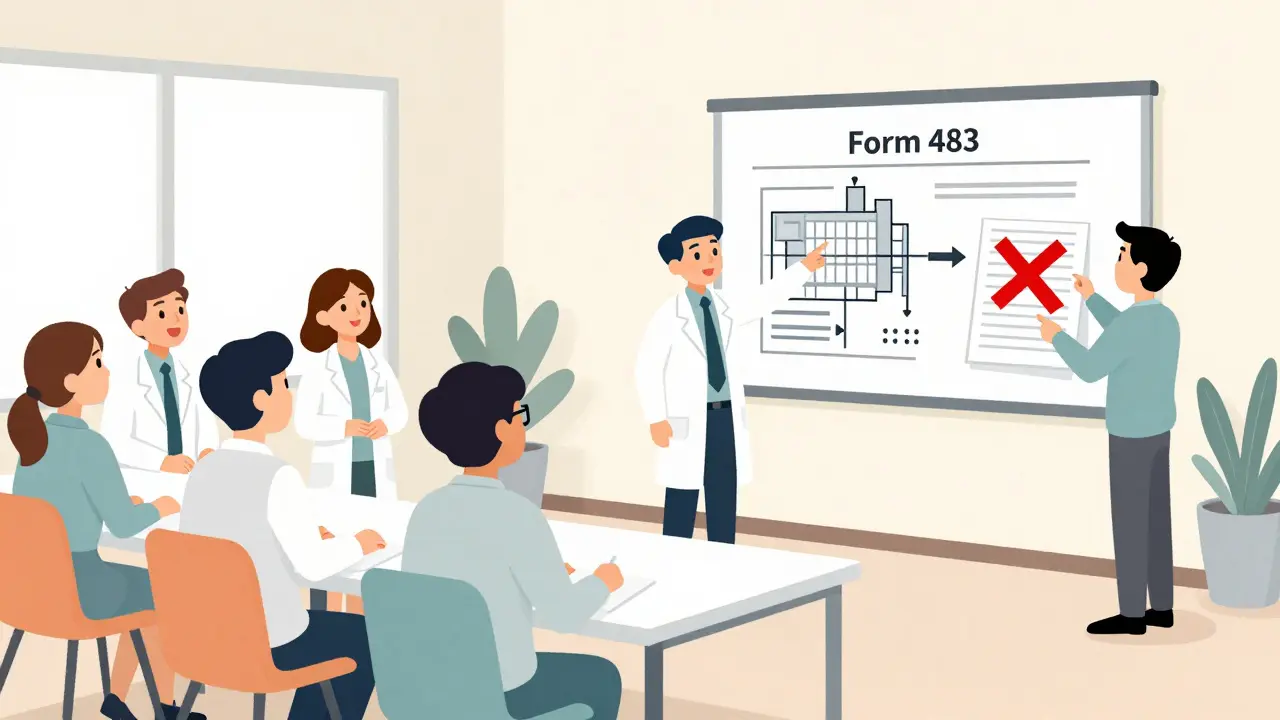
At the end, they’ll give you FDA Form 483 - a list of objectionable conditions. It’s not a citation. It’s a warning. But if you ignore it, the next step is a warning letter, which can block your product from being sold.
The Top 4 Reasons Facilities Fail
Based on over 2,450 inspection reports analyzed in 2024, here’s what causes the most problems:
- Inadequate deviation investigations (32%): A machine breaks. A batch fails. A label is wrong. Instead of digging into why, some companies just fix it and move on. The FDA wants root cause analysis - not just a band-aid.
- Incomplete training records (24%): Employees must be trained on procedures, safety, and documentation. But many companies don’t track who was trained, when, or if they passed. One company lost its license because a new hire mixed up two similar drugs - and there was no record of their training.
- Insufficient validation documentation (15%): If you say your process works, you have to prove it. That means testing under normal and extreme conditions. Many facilities skip this or do it once and assume it’s good forever. The FDA expects ongoing validation - especially after changes.
- Poor change control records (7%): Any change - a new supplier, a different machine, a revised procedure - must be documented, reviewed, and approved. Skipping this step is like driving without a seatbelt. It might work until it doesn’t.
How to Prepare - Real Strategies That Work
Most companies panic when they hear the FDA is coming. But the best ones treat inspections like routine audits - not emergencies.
Here’s what top-performing facilities do:
- Do quarterly mock inspections: Bring in an outside auditor or rotate internal staff to play inspector. Use real Form 483s from past inspections as examples. Facilities with this practice cut their observation rates by 63%.
- Designate one inspection coordinator: No more five people answering calls. One person manages all communication, document requests, and scheduling. Companies that did this saw inspections finish 22% faster.
- Keep your facility diagram updated: If you move a machine, update the floor plan within 7 days. Inspectors compare your diagram to what they see. A mismatch looks like you’re hiding something.
- Build a dedicated inspection room: Stock it with printers, computers, phones, and organized document folders. One company reduced document retrieval time by 40% just by having a single, clean space ready to go.
- Train your staff annually: FDA guidance says all staff should get 8 hours of inspection training. Principal investigators need 16. But only 63% of sites meet this. Don’t be one of them.
And here’s a simple rule: If you wouldn’t want your boss, your customer, or a judge to see it - don’t write it down. Everything you document could be pulled during an inspection.
What’s Changing in 2025 and Beyond
The FDA isn’t standing still. They’re getting smarter - and faster.
By late 2024, they’ll start testing AI tools that scan documents for red flags - like missing signatures, inconsistent dates, or repeated errors. By 2025, this will roll out to all inspections. That means sloppy documentation won’t slip through anymore.
Remote inspections are also growing. In 2023, the FDA did virtual tours and document reviews at 147 facilities. For 78% of cases, they found the same issues as in-person visits. This means less travel, but higher expectations for digital records.
Inspection frequency is shifting too. Facilities making products for older adults - like pacemakers or arthritis meds - will see more visits. Dietary supplement makers may see fewer. The FDA is reallocating resources based on actual risk, not just volume.
And the number of warning letters? It’s rising. In 2023, the FDA issued 1,842 - up 7% from 2022. Medical device makers got the most, followed by drug manufacturers. If you’re in either group, you’re under more pressure than ever.
Final Reality Check
FDA inspections aren’t about fear. They’re about accountability. The goal isn’t to shut you down - it’s to make sure your product doesn’t hurt someone.
Every inspection is a snapshot. It doesn’t show your whole year. But it does show if you’re paying attention. If your records are messy, your staff is untrained, or your change controls are ignored - the FDA will find it.
Don’t wait until the inspector knocks. Start today. Review your deviation logs. Check your training records. Update your diagrams. Train your team. Build your inspection room. Because when the FDA comes, you don’t want to be scrambling. You want to be ready.
How often does the FDA inspect manufacturing facilities?
The FDA inspects facilities based on risk. High-risk sites - like those making life-saving drugs or implantable devices - are inspected every 6 to 12 months. Medium-risk sites, such as those producing oral medications, get inspected every 2 to 3 years. Low-risk facilities, including some dietary supplement makers, may go 3 to 5 years between inspections. The agency uses a risk model with 12 factors to decide who gets visited and how often.
What is FDA Form 483 and what happens after you get it?
FDA Form 483 is a list of objectionable conditions observed during an inspection. It’s not a fine or a shutdown order - it’s a warning. You have 15 working days to respond with a corrective action plan. If your response is weak, incomplete, or late, the FDA may issue a warning letter. That can block your product from being sold, lead to import alerts, or even trigger criminal investigations in serious cases.
Can the FDA inspect without notice?
Yes. Routine inspections usually give 5 business days’ notice, but "for-cause" inspections happen without warning. These are triggered by complaints, adverse events, whistleblower tips, or failed lab results. You cannot refuse an unannounced inspection. The FDA has legal authority to enter any regulated facility at any time.
What’s the biggest mistake companies make during inspections?
The biggest mistake is assuming that if something isn’t broken, it doesn’t need fixing. Many companies focus on fixing immediate problems instead of improving systems. For example, if a batch fails, they just rework it - but never investigate why it failed. The FDA wants root cause analysis, not quick fixes. Data integrity issues - like backdating records or bypassing electronic signatures - are also the fastest-growing problem, with 45% of observations in 2023 tied to them.
Do I need to train all employees on FDA inspections?
Yes. Every employee who interacts with the facility, handles product, or maintains records should get at least 8 hours of inspection-specific training each year. Principal investigators, quality managers, and supervisors need 16 hours. The FDA doesn’t require certification, but they do expect proof of training. In 2023, 37% of facilities failed inspections because training records were missing or incomplete.
How long do I need to keep inspection records?
You must keep all records for at least 2 years after a product is discontinued. For certain products - like implantable devices or biologics - the FDA requires records to be kept for the lifetime of the product plus 10 years. In 2023, 87% of Form 483 observations involved records that were missing, incomplete, or destroyed too early.



Comments (10)