Generic Drugs and FDA Regulations in November 2025: Approval, Safety, and Access

When you pick up a generic drug, a medication approved by the FDA as equivalent to a brand-name drug in dosage, safety, and effectiveness. Also known as non-brand medication, it saves patients billions each year—but only if the system works right. The ANDA process, the FDA’s streamlined pathway for approving generic drugs without repeating full clinical trials is the backbone of affordable medicine. But it’s not perfect. In November 2025, we saw how FDA deficiency letters, official rejections from the agency due to flawed data or manufacturing issues delayed life-saving drugs, and how generic drug shortages, a growing crisis with 270 active shortages in the U.S. alone forced patients to wait or pay more.

It’s not just about approval—it’s about safety. The REMS programs, FDA-mandated risk controls for high-risk medications like certain painkillers and immunosuppressants are meant to protect people, but many don’t know they exist. Meanwhile, antitrust laws, rules designed to block drug makers from paying rivals to delay generics are under pressure. Without them, companies use tricks like "product hopping" and fake patents to keep prices high. And when you take a pill, how do you know if a reaction is a side effect, an allergy, or just intolerance? We broke down the differences because confusing them can be deadly.

Patients aren’t just passive users—they’re part of the system. Reporting rare side effects through MedWatch, the FDA’s official system for tracking adverse drug events helps fix problems before they spread. And if you’re on drugs like digoxin, timolol, or St. John’s Wort, you need to know how they interact with other meds, what lab tests to ask for, and when to push back on your pharmacy. Even something as simple as checking the strength on your label before leaving the counter can prevent a fatal error.

Behind every generic pill is a chain: manufacturing in foreign factories, supply chain gaps, profit margins so thin that companies walk away, and regulatory checks that can’t keep up. November 2025 showed us how generic drugs are more than just cheaper versions—they’re the lifeline for millions, and that lifeline is fraying. Below, you’ll find clear, practical guides on how these systems work, what’s going wrong, and what you can do to protect yourself and others.

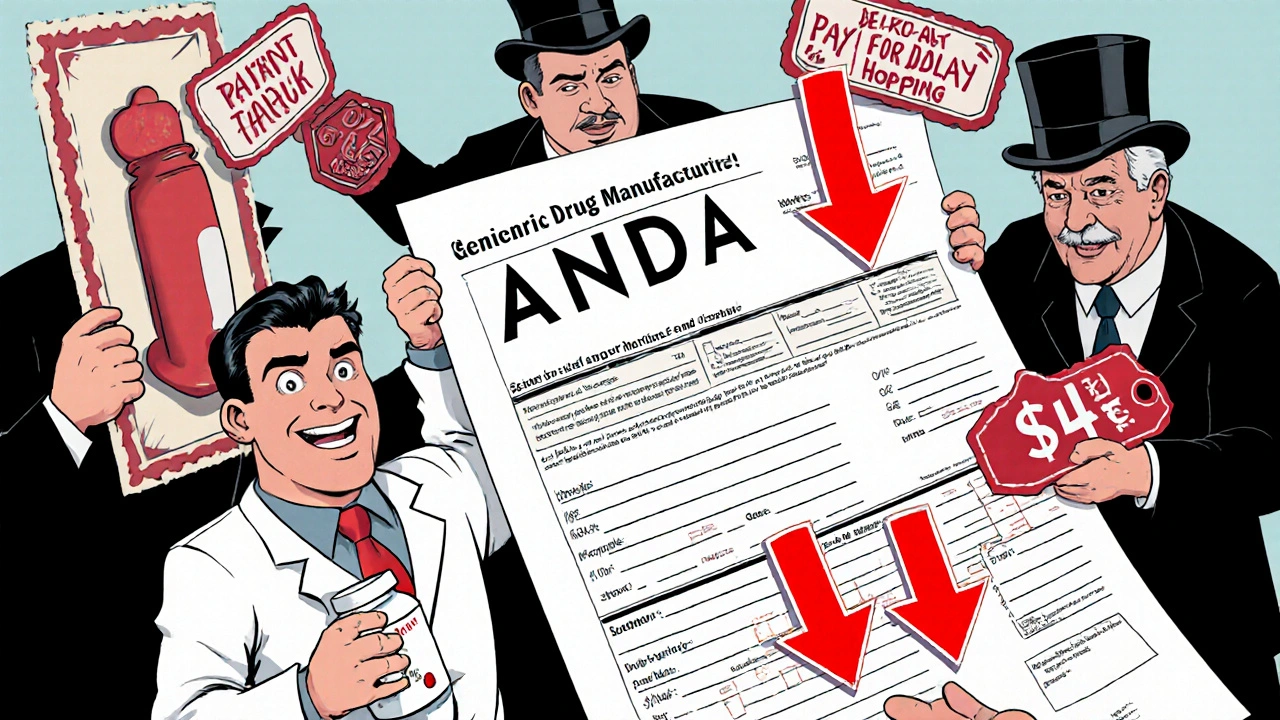
FDA’s Abbreviated New Drug Application Process Explained: How Generic Drugs Get Approved

FDA’s Abbreviated New Drug Application Process Explained: How Generic Drugs Get Approved

Learn how the FDA's ANDA process lets generic drugs get approved without repeating costly clinical trials. Discover why generics are safe, effective, and save billions annually.

Read More
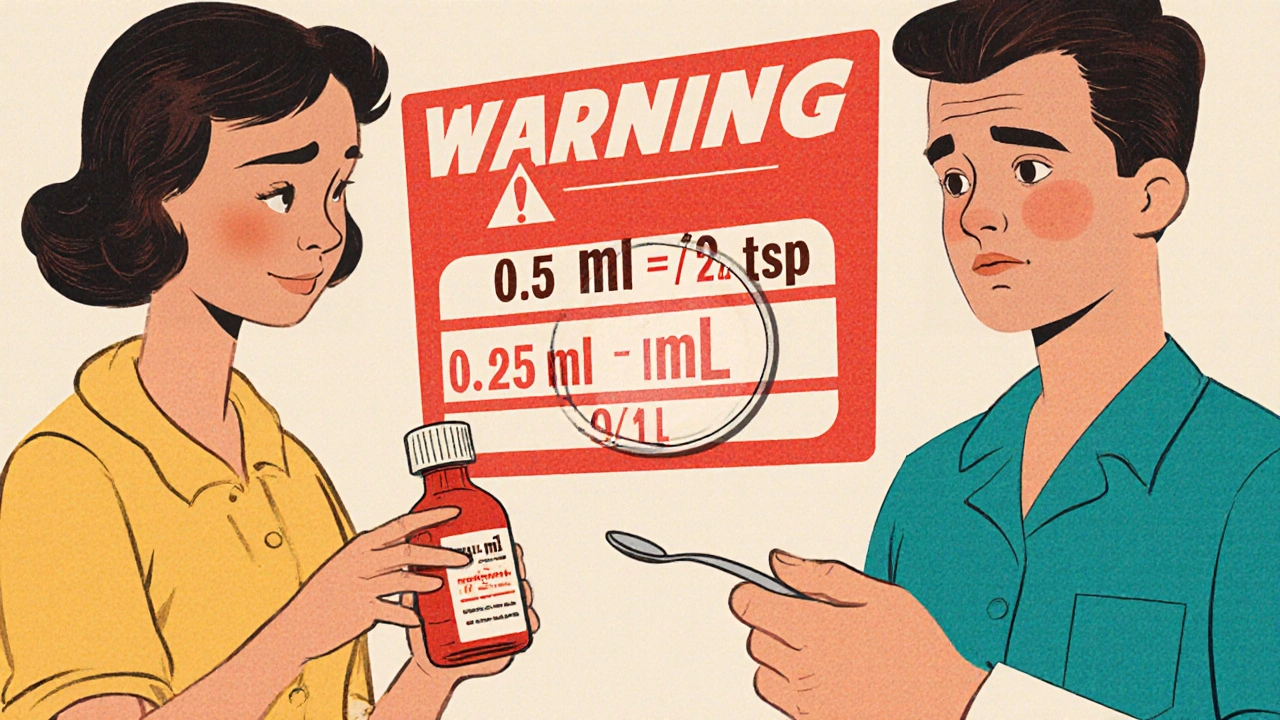
Double-Checking Medication Strength and Quantity Before Leaving the Pharmacy

Double-Checking Medication Strength and Quantity Before Leaving the Pharmacy

Double-checking medication strength and quantity before leaving the pharmacy prevents deadly dosing errors. Learn why this simple step saves lives, what to look for on labels, and how to do it right.

Read More
Antitrust Laws and Competition Issues in Generic Pharmaceutical Markets

Antitrust Laws and Competition Issues in Generic Pharmaceutical Markets

Antitrust laws protect generic drug competition by blocking pay-for-delay deals, sham patents, and product hopping. Without them, branded companies could keep prices high and patients without affordable medicine.

Read More
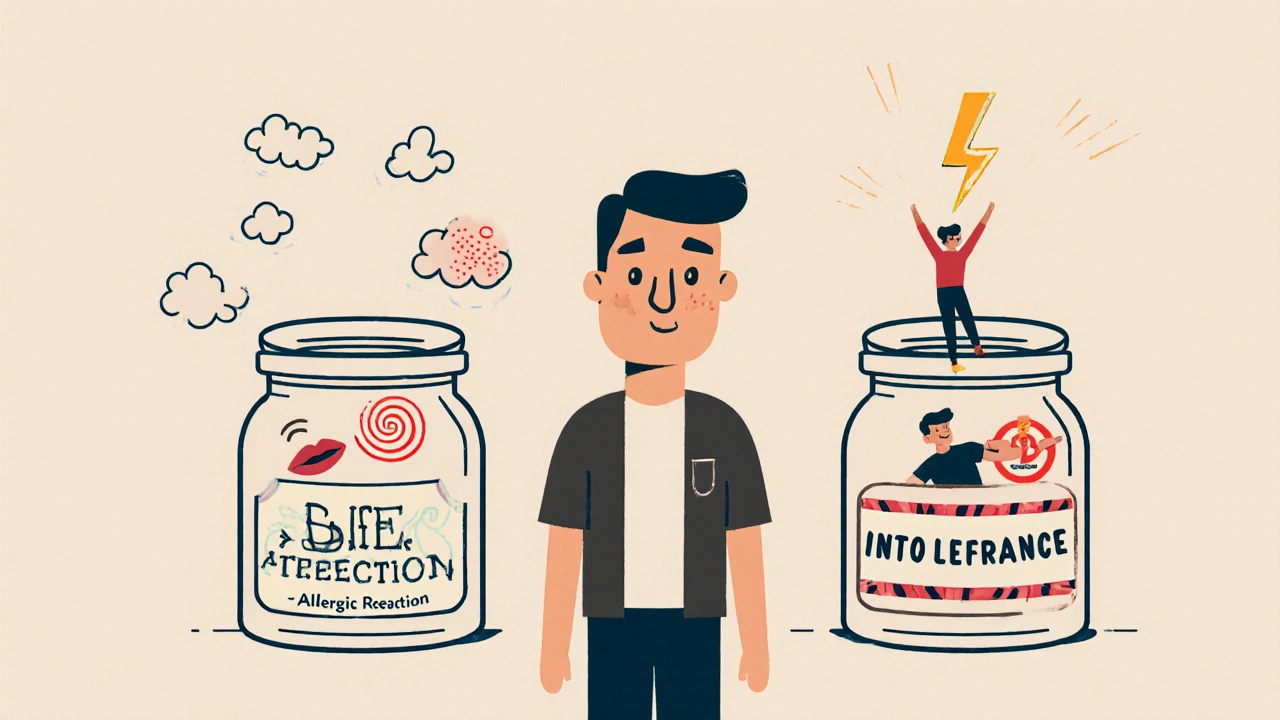
Side Effects vs Allergic Reactions vs Intolerance: How to Tell the Difference

Side Effects vs Allergic Reactions vs Intolerance: How to Tell the Difference

Learn how to tell the difference between side effects, allergic reactions, and drug intolerance. Know when a reaction is harmless-and when it could be life-threatening.

Read More
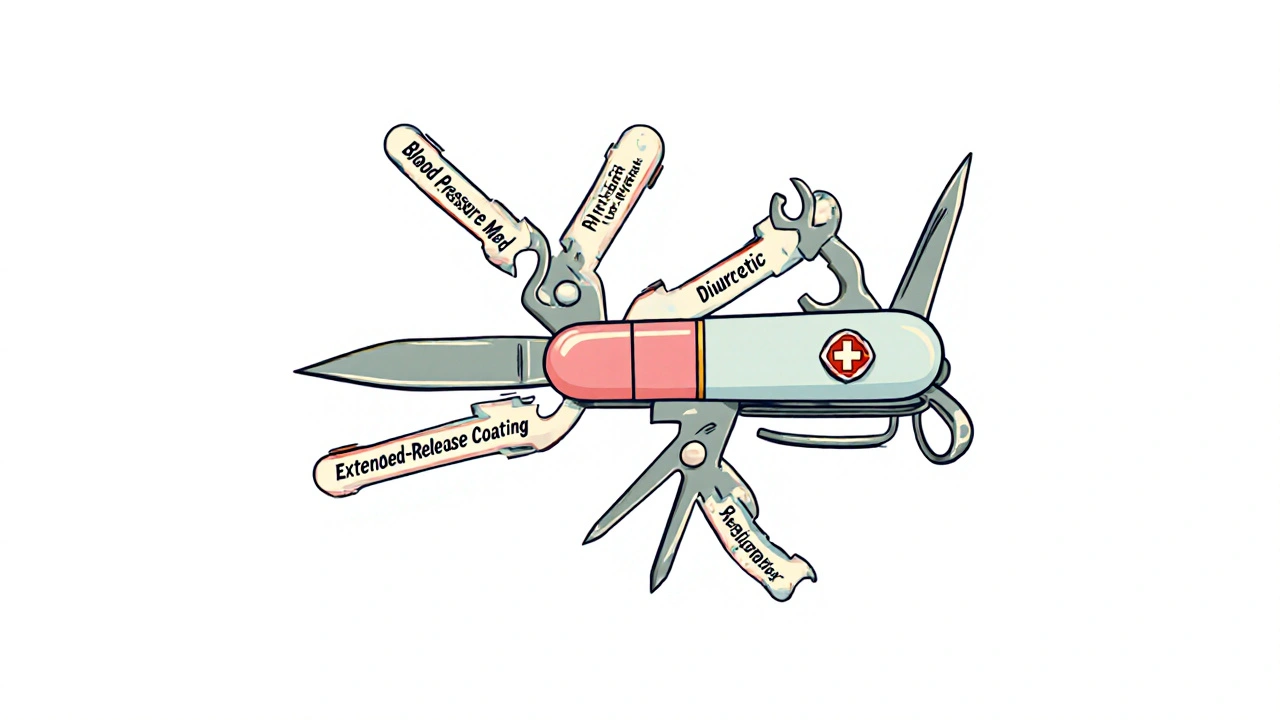
Future of Generic Combinations: Regulatory and Market Trends

Future of Generic Combinations: Regulatory and Market Trends

Generic combinations are transforming affordable healthcare by combining drugs or integrating devices to improve effectiveness and adherence. Learn how regulatory shifts and market demand are driving this high-value trend.

Read More
REMS Programs: Understanding FDA's Risk Evaluation and Mitigation Strategies for High-Risk Medications

REMS Programs: Understanding FDA's Risk Evaluation and Mitigation Strategies for High-Risk Medications

REMS programs are FDA-mandated safety systems for high-risk medications. They require special training, monitoring, and controls to ensure benefits outweigh risks. Learn how they work, who they affect, and what’s changing in 2025.

Read More
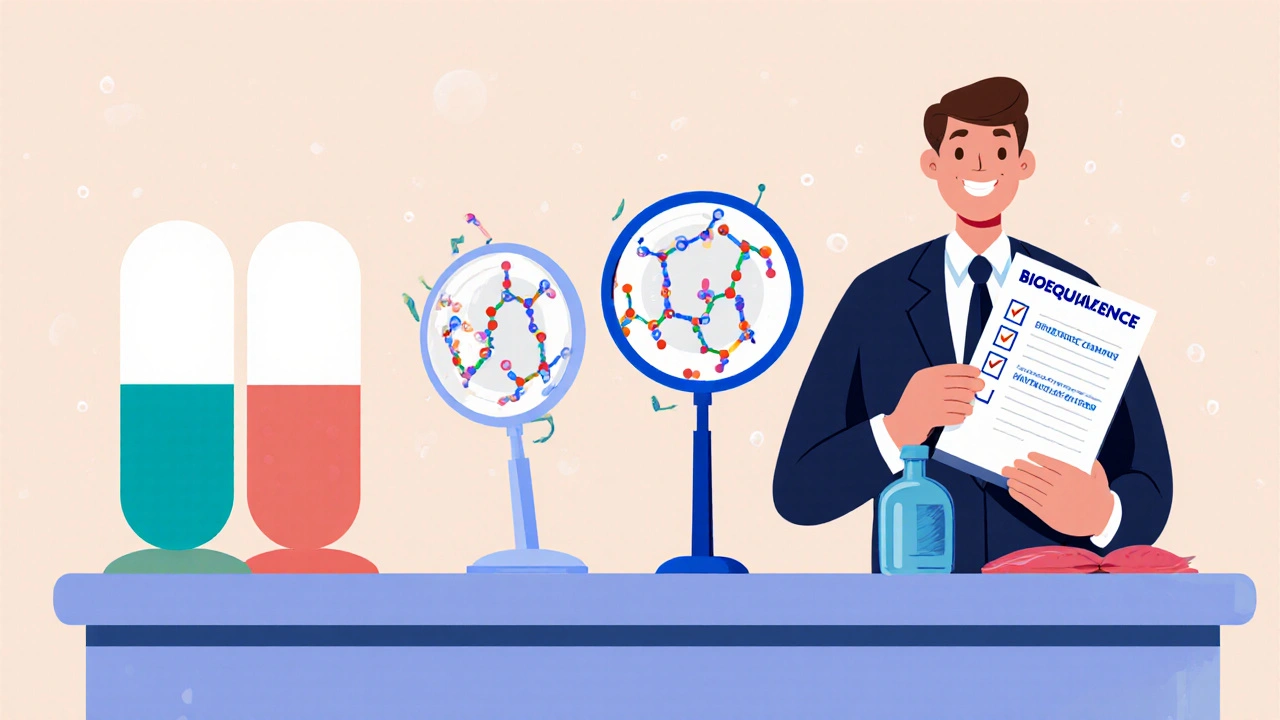
Deficiency Letters in Generic Drug Applications: Top FDA Findings and How to Avoid Them

Deficiency Letters in Generic Drug Applications: Top FDA Findings and How to Avoid Them

Learn the top FDA deficiency findings in generic drug applications and how to avoid costly delays. Key issues include dissolution methods, impurities, and bioequivalence data.

Read More
Pterygium: How Sun Exposure Causes Eye Growth and What Surgery Can Do

Pterygium: How Sun Exposure Causes Eye Growth and What Surgery Can Do

Pterygium, or surfer's eye, is a sun-induced growth on the eye that can blur vision. Learn how UV exposure causes it, what surgical options actually work, and how to prevent it from coming back.

Read More
Caffeine Cutoff Times: When to Stop Coffee for Better Sleep

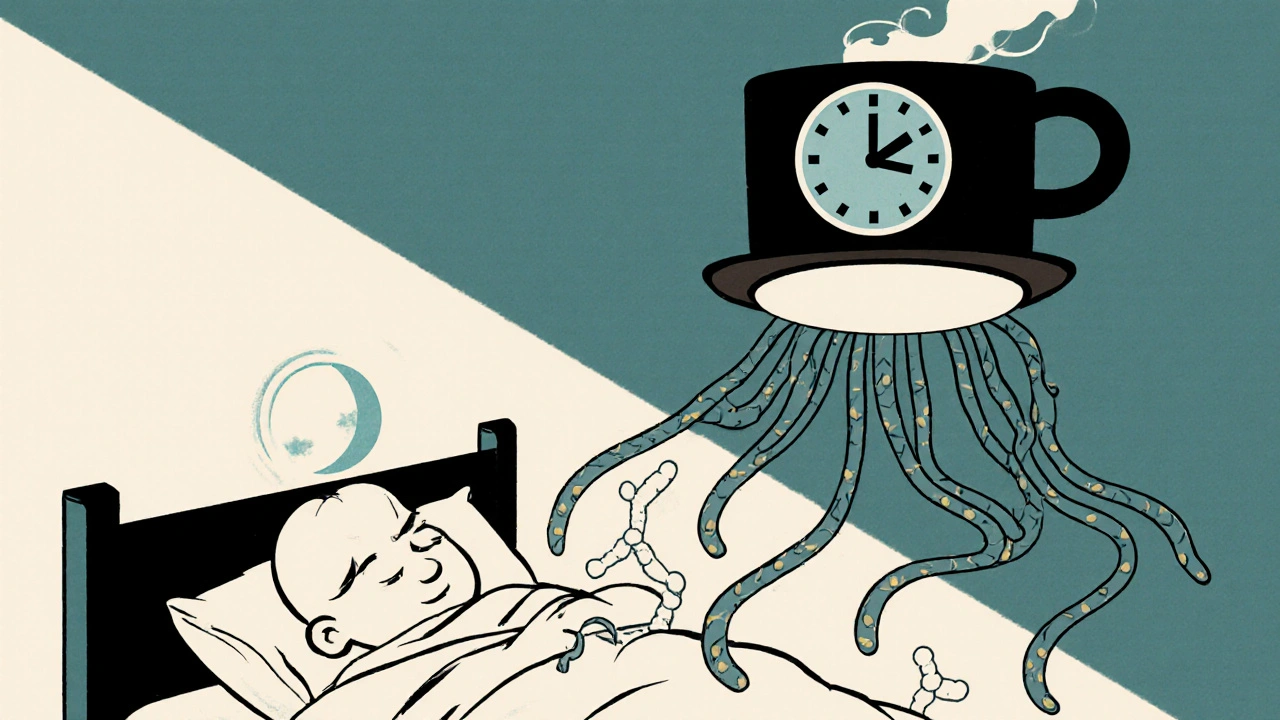
Caffeine Cutoff Times: When to Stop Coffee for Better Sleep

Learn the science-backed caffeine cutoff times that actually improve sleep onset and quality. Stop guessing when to quit coffee and start sleeping deeper.

Read More
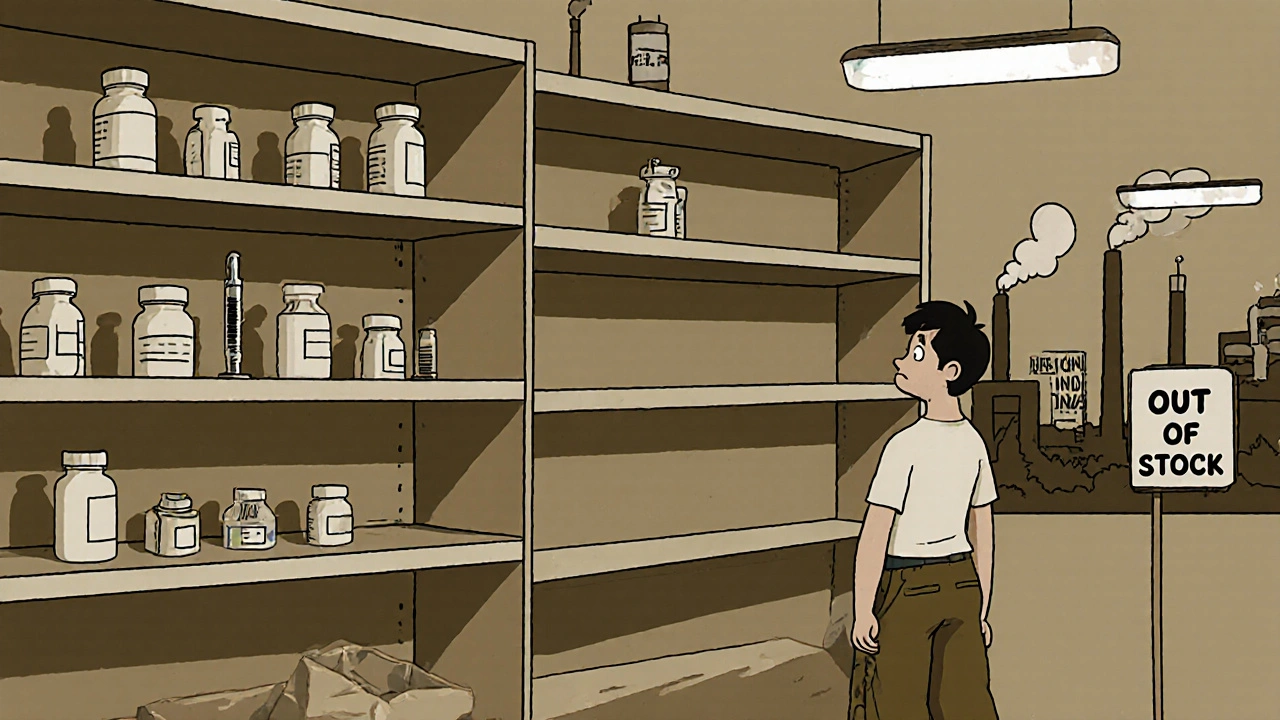
Generic Drug Shortages: Causes and How They Limit Patient Access

Generic Drug Shortages: Causes and How They Limit Patient Access

Generic drug shortages are worsening in the U.S., with 270 active shortages in 2025. Caused by low profits, foreign manufacturing, and lack of backup suppliers, they delay treatments, raise prices, and put patient safety at risk.

Read More