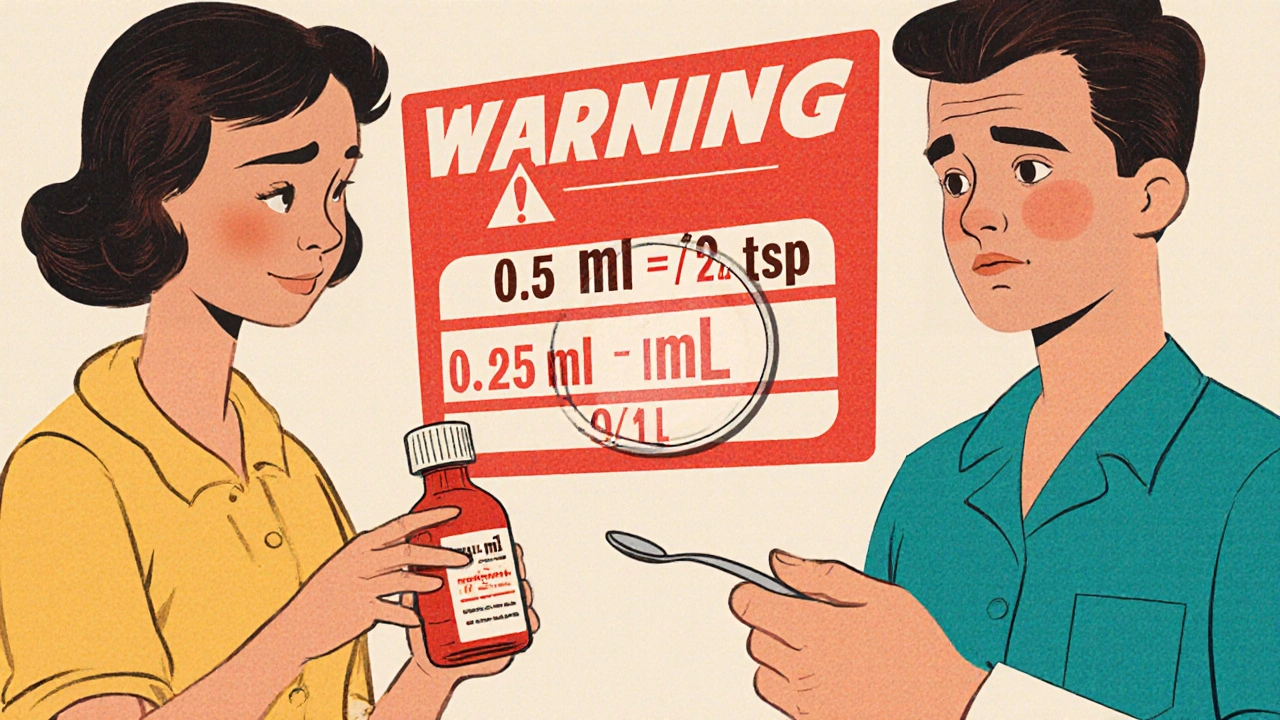
Pharmacy Double-Check: Why It Saves Lives and How to Do It Right
When you pick up a prescription, a pharmacy double-check, a final verification step where a second pharmacist reviews the prescription before dispensing. Also known as medication safety check, it’s the last line of defense against errors that can cause serious harm or death. This isn’t just busywork—it’s a proven safety net. Studies show that over 40% of medication errors are caught during this step, especially when prescriptions involve high-risk drugs like blood thinners, insulin, or opioids.
Pharmacy double-checks aren’t just about matching the label to the script. They look for hidden risks: does this dose make sense for a 78-year-old with kidney problems? Is this drug interacting with that other pill your grandma takes? Is the brand name confused with a look-alike? These aren’t hypotheticals. A wrong dose of warfarin can cause internal bleeding. A mix-up between levothyroxine and liothyronine can trigger a heart attack. The adverse drug reactions, unintended and harmful responses to medications you hear about in the news? Many of them happen because the double-check failed—or never happened at all.
It’s not just pharmacists doing this. In hospitals, nurses often run their own checks before giving meds. At home, you can be part of the system too. Always ask: "Can you walk me through why I’m taking this?" If the pharmacy gives you a pill you’ve never seen before, pause. Compare it to your last bottle. Check the shape, color, imprint. If something feels off, say so. The pharmacy verification, the process of confirming medication accuracy through cross-referencing prescriptions, patient history, and dosage guidelines is a team sport—and you’re on the team.
What you’ll find in the posts below isn’t theory. It’s real-world examples of what goes wrong when the double-check slips, and how people avoided disaster by asking the right questions. From spotting a dangerous interaction between St. John’s Wort and birth control, to understanding why digoxin levels need monitoring, to knowing when to report a rare reaction from a generic drug—each post shows how vigilance saves lives. These aren’t just stories. They’re instructions. And they’re all built on one simple rule: never assume it’s right. Always double-check.