Pay-for-Delay: How Big Pharma Buys Time to Block Cheap Drugs
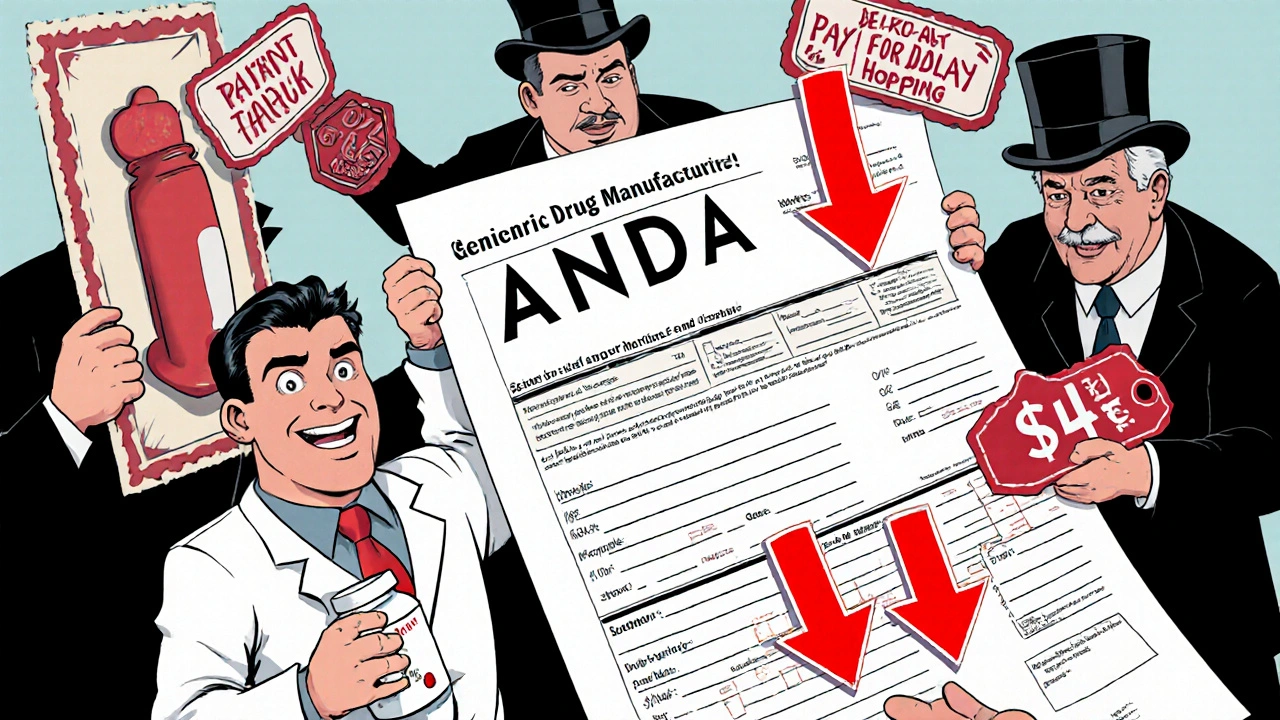
When a brand-name drug’s patent is about to expire, the company behind it sometimes pays a generic manufacturer to delay launching its cheaper version. This is called pay-for-delay, a settlement tactic where brand drug makers pay generic competitors to postpone market entry. It’s not a legal loophole—it’s a business deal that keeps prices high and patients paying more. The FTC has called these agreements anti-competitive, and courts have ruled them suspicious at best, illegal at worst. These deals don’t just affect your pharmacy bill—they delay access to life-saving medications for millions.
Generic drugs, lower-cost versions of brand-name medications approved by the FDA as equally safe and effective are supposed to flood the market right after a patent ends. But when a pay-for-delay deal happens, that doesn’t happen. Instead, the generic maker gets a cash payout, sometimes millions, and agrees to wait months or even years before selling its version. Meanwhile, the brand-name company keeps charging high prices with no real competition. This isn’t about innovation—it’s about profit protection. In 2023, the FTC reported over 100 such deals in the last decade, costing U.S. consumers more than $3.5 billion annually.
Antitrust, laws designed to prevent companies from unfairly controlling markets and stifling competition agencies are trying to stop these deals. The Supreme Court has ruled that pay-for-delay agreements can violate antitrust law, but enforcement is slow. Some companies still use them, often hiding the payments under vague terms like "consulting fees" or "distribution rights." The FDA, the U.S. agency that approves and monitors drug safety and availability doesn’t block these deals directly, but it does track generic applications and can flag delays that look suspicious. What you see on your prescription label isn’t just about science—it’s often about money, timing, and who controls it.
What you’ll find in the posts below are real-world examples of how these deals play out: how they affect drug shortages, why some generics take years to appear, and how patients end up paying the price. You’ll also see how regulators, manufacturers, and even pharmacies respond when these agreements backfire. This isn’t theoretical. It’s happening right now—and it’s changing who gets treated, and how much it costs.