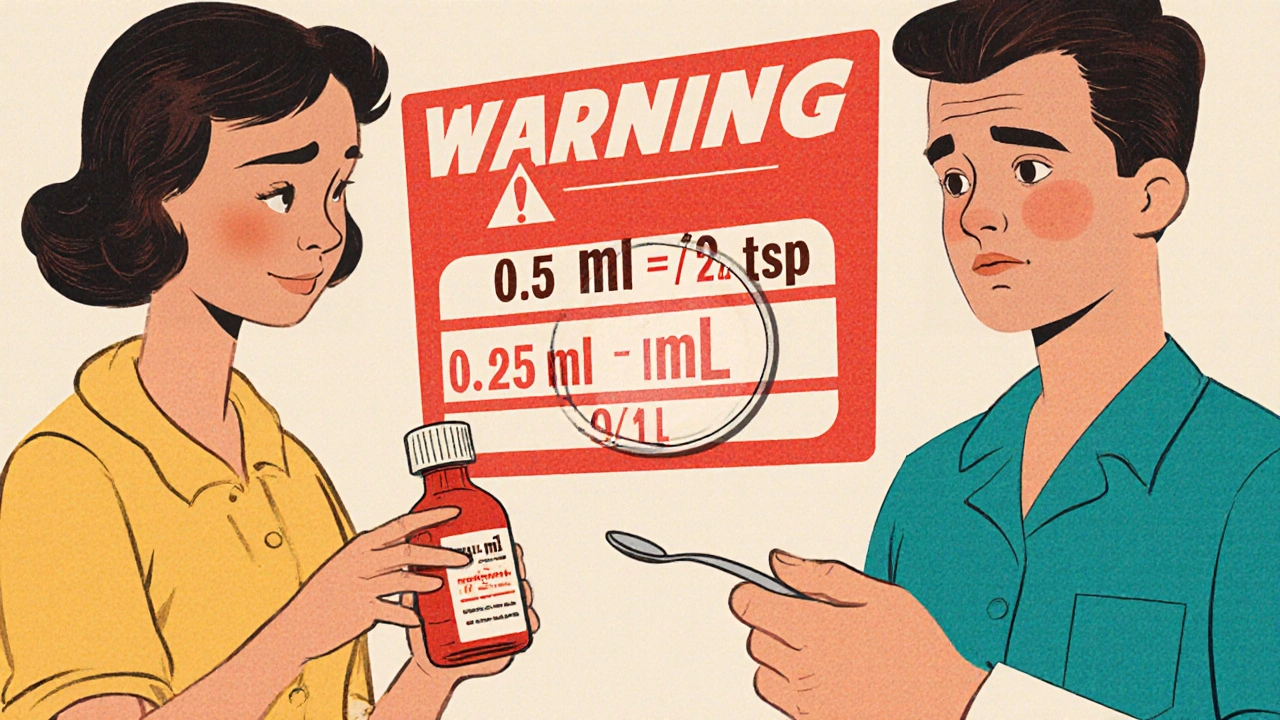
Medication Strength Verification: How to Confirm Dosage Accuracy and Avoid Dangerous Errors
When you pick up a prescription, medication strength verification, the process of confirming that the dose on the pill matches what your doctor prescribed. Also known as dosage validation, it’s not just a pharmacy formality—it’s a critical safety step that prevents overdoses, underdosing, and deadly mix-ups. Many people assume the label is always right, but errors happen. A pill might look identical to another drug, the strength might be misprinted, or a generic version could have a different inactive ingredient that changes how it works. The FDA doesn’t require generic drugs to match brand-name pills in color or shape, so visual cues can be misleading.
That’s why drug dosage accuracy, the exact match between prescribed and dispensed medication strength matters more than ever. With generic drug strength, the active ingredient concentration in non-brand medications varying slightly between manufacturers, even a 5% difference can be dangerous for drugs like warfarin, levothyroxine, or digoxin. These are narrow-therapeutic-index medications where tiny changes can lead to blood clots, thyroid crashes, or heart rhythm problems. You can’t rely on the pill’s color or size—you need to check the imprint code, read the label twice, and compare it to your prescription. Pharmacies sometimes switch suppliers without telling you, and online orders increase the risk of counterfeit or mislabeled pills.
pill identification, using imprint codes, shape, and color to confirm a medication’s identity is a skill anyone taking multiple meds should learn. The FDA and NIH have public databases where you can enter a pill’s markings to verify its strength and manufacturer. Don’t skip this if you’re switching pharmacies, buying overseas, or using mail-order services. Many of the posts below show real cases where patients missed a strength mismatch—like taking 10mg instead of 5mg of lisinopril, or confusing 0.25mg with 0.5mg of digoxin—and ended up in the ER. These aren’t rare mistakes. They’re preventable.
Medication strength verification isn’t just for the elderly or those on complex regimens. It’s for anyone taking more than one drug, especially if they’re using generics, supplements, or over-the-counter products that interact with prescriptions. The FDA’s medication strength verification guidelines are clear: if you’re unsure, call your pharmacist. Don’t guess. Don’t assume. And never stop checking—even if you’ve taken the same pill for years. Your body changes. Your prescriptions change. The pills in the bottle might change too.
Below, you’ll find real stories and expert guides on how to spot dangerous discrepancies, what to do when a pill looks wrong, how to report errors to the FDA, and why some generics pass safety checks while others don’t. These aren’t theory pieces—they’re practical tools used by patients, caregivers, and pharmacists to keep doses exact and lives safe.