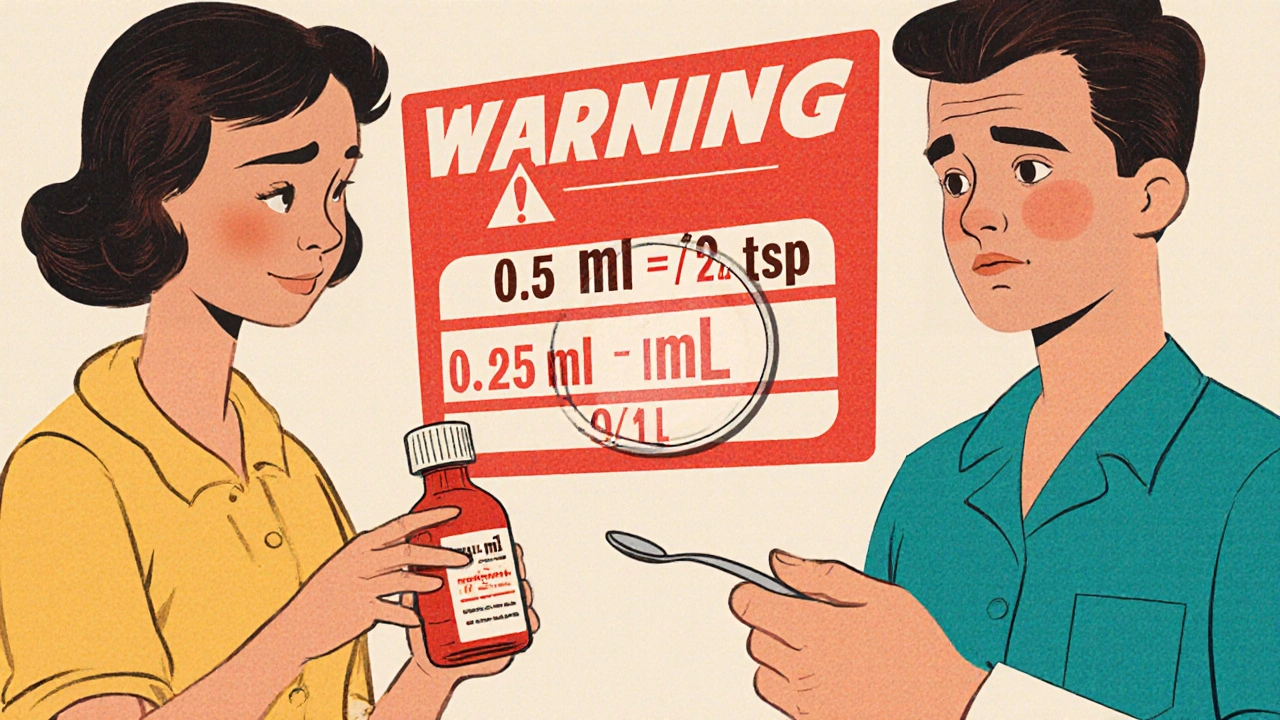
Dosing Errors: How Wrong Medication Amounts Harm Patients and How to Prevent Them
When a patient gets the wrong dose of a medicine, it’s not just a mistake—it’s a dosing error, an unintended deviation from the prescribed amount of a medication that can lead to harm or death. Also known as medication dosing mistakes, these errors happen more often than you think—even in hospitals with trained staff. A single milligram too much or too little can turn a life-saving drug into a dangerous one. Think digoxin: too little won’t help heart failure; too much can stop your heart. Or warfarin: a small miscalculation can cause dangerous bleeding. These aren’t theoretical risks. Real people end up in the ER because someone misread a decimal point, mixed up units, or didn’t check a patient’s weight or kidney function.
Dosing errors don’t just happen because of carelessness. They’re often tied to deeper problems in how drugs are prescribed, labeled, or dispensed. Therapeutic drug monitoring, the process of measuring drug levels in the blood to ensure they stay in the safe and effective range is critical for drugs like digoxin, vancomycin, or lithium—but it’s not always done. And when it’s skipped, the risk of toxicity or underdosing climbs. Then there’s drug side effects, unintended reactions that can be worsened or triggered by incorrect doses. A patient on statins might get muscle pain from a dose that’s too high. Someone on antibiotics might develop a deadly infection because the dose was too low to kill the bacteria but high enough to kill off good gut bacteria. These aren’t random events. They’re predictable outcomes of systems that don’t catch small mistakes before they become big problems.
What makes this worse is that dosing errors don’t just affect adults. Kids, seniors, and people with kidney or liver problems are especially vulnerable. A child’s dose isn’t just a smaller version of an adult’s—it’s calculated by weight, age, and organ function. Miss one of those, and the consequences can be severe. Seniors often take five or more medications, and a simple mix-up between similar-sounding pills can lead to falls, confusion, or organ damage. Even something as basic as confusing milligrams with micrograms has killed people. The FDA and other agencies track these errors through FDA drug safety, the system that collects reports of adverse events to identify patterns and issue warnings. But reports only come after the harm is done.
You don’t need to be a doctor to help prevent these mistakes. Ask questions. Double-check the dose on the label. Know why you’re taking each pill. If a dose seems too high or too low, say something. Keep a list of your meds and share it with every provider. And if you’re caring for someone else, don’t assume the pharmacy got it right. These aren’t just professional responsibilities—they’re personal safety steps. Below, you’ll find real stories and practical guides from patients and providers who’ve seen the fallout of dosing errors—and learned how to stop them before they happen.