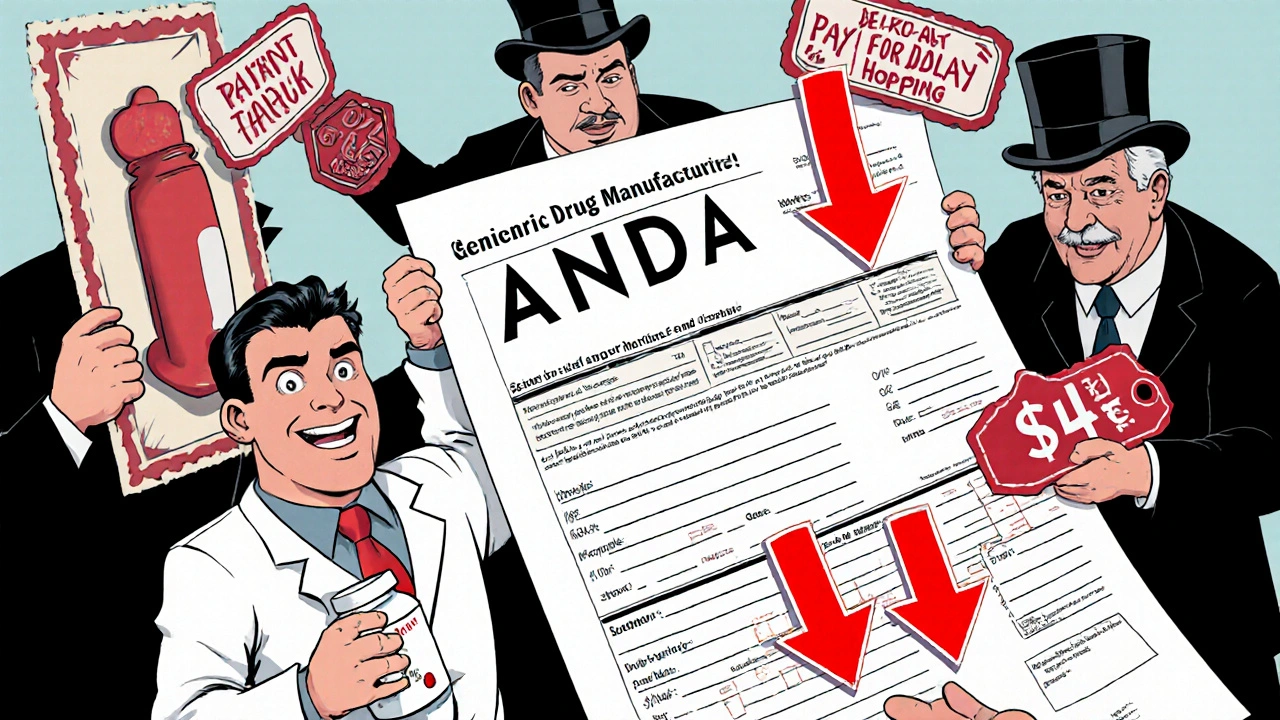
Antitrust Laws in Pharmaceuticals: What You Need to Know
When we talk about antitrust laws, rules designed to prevent monopolies and ensure fair competition in the marketplace. Also known as competition laws, these regulations keep drug makers from blocking cheaper alternatives or colluding to keep prices high. In the pharmaceutical world, this isn’t just about big corporations fighting over market share—it’s about whether you can afford your next prescription.
Generic drug market, the sector where lower-cost versions of brand-name drugs enter after patents expire. Antitrust laws are supposed to make this process smooth. But in practice, companies sometimes use legal tricks—like paying generic makers to delay their launch, or buying up small competitors just to shut them down. These aren’t just shady business moves; they directly delay access to affordable meds. The FDA regulatory authority, the agency that approves generic drugs and oversees drug safety. can’t fix this alone. It needs strong antitrust enforcement to back it up.
Take drug pricing, the cost patients pay for medications, often influenced by market control and lack of competition. When one company controls the only supply of a life-saving drug, or when multiple brands agree not to compete on price, patients pay the price—literally. That’s why cases involving insulin, epinephrine pens, or older antibiotics often make headlines. The U.S. has seen dozens of lawsuits over these issues in the last decade, and some have led to refunds for consumers and stricter rules for future deals.
You won’t find antitrust laws listed on your pill bottle, but they’re behind whether your pharmacy has stock, if your insurance covers the generic, or if you’re stuck paying hundreds for a drug that should cost less than ten. The posts below dive into real cases where these rules intersect with drug approvals, shortages, and manufacturer tactics. You’ll see how FDA deficiency letters, REMS programs, and generic drug shortages aren’t just bureaucratic issues—they’re often symptoms of broken competition. Whether you’re a patient, caregiver, or just someone trying to understand why meds cost what they do, this collection shows how the system really works—and where it fails.